
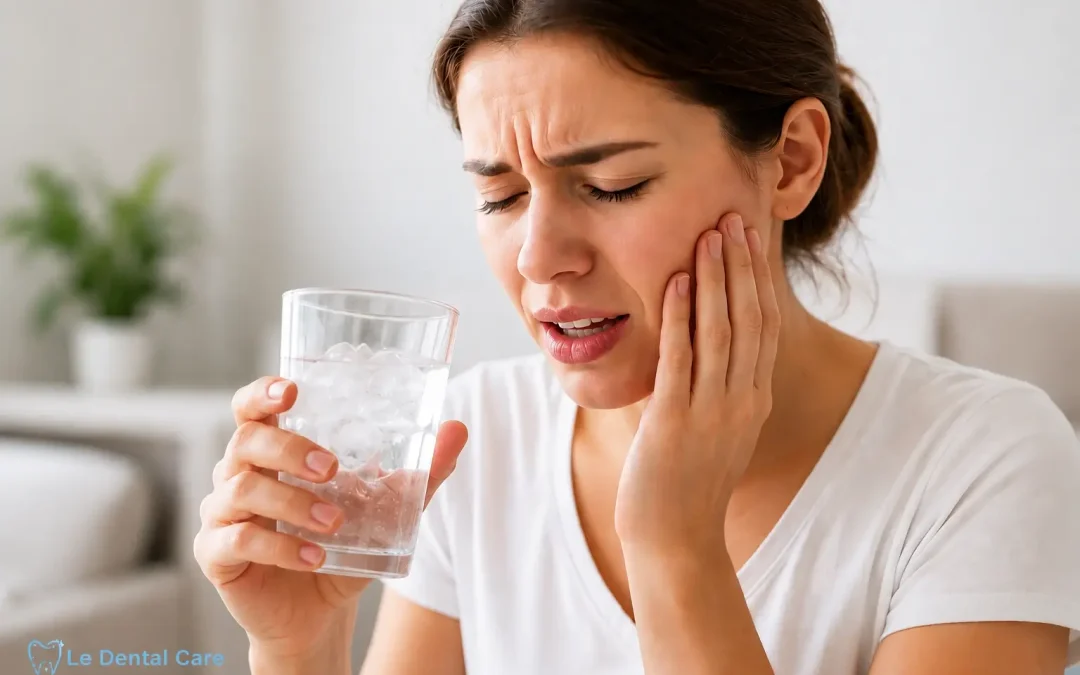
Have you ever taken a sip of cold water or enjoyed a hot cup of coffee only to feel a sudden sharp pain in your teeth? If so, you’re not alone. Tooth sensitivity is one of the most common dental concerns among adults and can affect people of all ages.
While occasional sensitivity may not be a cause for concern, persistent discomfort could be a sign of an underlying dental issue that requires professional attention. Understanding the causes of tooth sensitivity and available treatment options can help you protect your oral health and enjoy your favorite foods and drinks without pain.
What Is Tooth Sensitivity?
Tooth sensitivity, also known as dentin hypersensitivity, occurs when the protective layers of your teeth become compromised, exposing the dentin underneath. Dentin contains tiny channels that connect to the nerves inside the tooth. When exposed to hot, cold, sweet, acidic, or even cold air, these nerves can become irritated, causing discomfort or pain.
The sensation can range from mild sensitivity to sharp, sudden pain that affects one or multiple teeth.
Common Symptoms of Sensitive Teeth
You may have tooth sensitivity if you experience:
- Sharp pain when eating hot or cold foods
- Discomfort while drinking hot coffee or iced beverages
- Sensitivity to sweet or acidic foods
- Pain when brushing or flossing
- Temporary discomfort when exposed to cold air
- Sensitivity that affects one tooth or several teeth
If these symptoms occur regularly, it is important to schedule a dental checkup to determine the cause.
What Causes Tooth Sensitivity?
Several dental conditions and habits can contribute to sensitive teeth.
1. Worn Tooth Enamel
Tooth enamel is the hard outer layer that protects your teeth. Over time, enamel can wear down due to:
- Aggressive brushing
- Using a hard-bristled toothbrush
- Frequent consumption of acidic foods and drinks
- Teeth grinding (bruxism)
As enamel becomes thinner, the dentin underneath becomes exposed, increasing sensitivity.
2. Receding Gums
Healthy gums protect the roots of your teeth. When gum tissue recedes, the roots become exposed and more vulnerable to sensitivity.
Common causes of gum recession include:
- Gum disease
- Aggressive brushing
- Tobacco use
- Poor oral hygiene
- Genetics
Since tooth roots do not have enamel protection, they are often more sensitive to temperature changes.
3. Tooth Decay and Cavities
Cavities create openings in the tooth structure that can expose the dentin and nerves. Sensitivity may be one of the first warning signs of tooth decay.
Other symptoms may include:
- Toothaches
- Visible holes in teeth
- Pain when chewing
- Food getting trapped in certain areas
Early treatment can prevent more extensive dental problems.
4. Cracked or Chipped Teeth
A cracked or chipped tooth can expose the inner layers of the tooth and allow bacteria to enter. This may cause sensitivity and increase the risk of infection.
Common causes include:
- Sports injuries
- Accidents
- Biting hard foods
- Teeth grinding
A dental examination can determine the severity of the damage and appropriate treatment.
5. Teeth Grinding and Clenching
Many people grind or clench their teeth while sleeping without realizing it. Over time, this habit can wear down enamel and increase tooth sensitivity.
Signs of teeth grinding include:
- Jaw pain
- Morning headaches
- Worn or flattened teeth
- Facial muscle soreness
A custom night guard may help protect your teeth from further damage.
6. Recent Dental Procedures
Temporary sensitivity is common after certain dental treatments, including:
- Dental cleanings
- Fillings
- Crowns
- Teeth whitening
- Root planing procedures
In most cases, this sensitivity improves within a few days or weeks.
7. Acidic Foods and Beverages
Frequent exposure to acids can gradually erode tooth enamel.
Examples include:
- Soft drinks
- Sports drinks
- Citrus fruits
- Wine
- Vinegar-based foods
Reducing acidic foods and maintaining good oral hygiene can help minimize enamel erosion.
How Is Tooth Sensitivity Diagnosed?
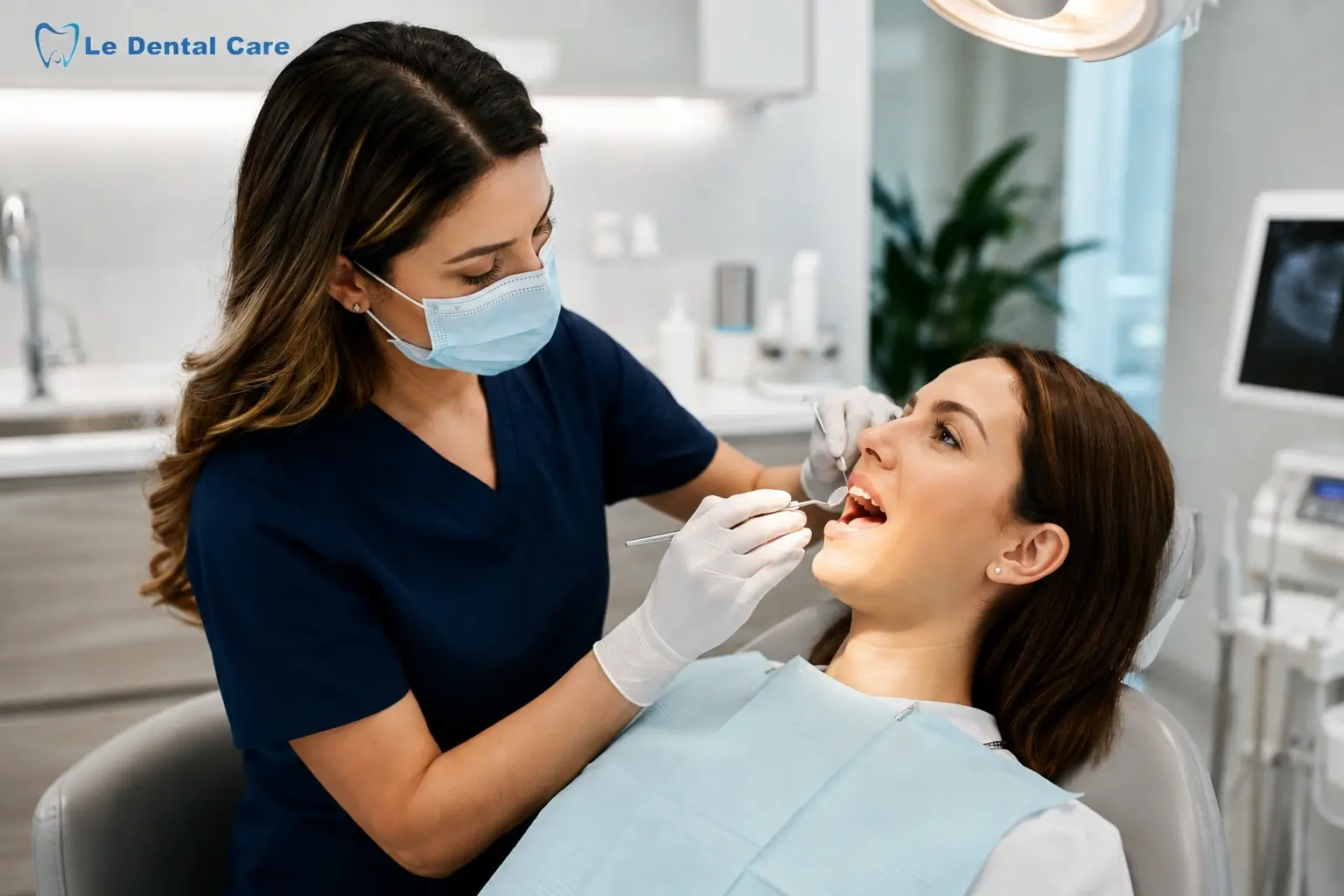
A dentist can identify the underlying cause of sensitivity through a comprehensive examination.
During your visit, your dentist may:
- Review your symptoms
- Examine your teeth and gums
- Check for cavities or cracks
- Evaluate gum recession
- Take digital X-rays if necessary
Identifying the cause is the first step toward effective treatment.
Treatment Options for Sensitive Teeth
The right treatment depends on the underlying cause of your sensitivity.
Desensitizing Toothpaste
Specially formulated toothpaste can help block pain signals from reaching the nerves inside your teeth.
Benefits include:
- Reduced sensitivity over time
- Easy daily use
- Improved comfort when eating and drinking
Many patients notice improvement after several weeks of consistent use.
Fluoride Treatments
Professional fluoride applications help strengthen enamel and reduce sensitivity.
Your dentist may recommend fluoride treatments if enamel erosion is contributing to your discomfort.
Dental Bonding
If exposed root surfaces or worn enamel are causing sensitivity, dental bonding can cover vulnerable areas and provide protection.
This treatment can:
- Reduce discomfort
- Improve appearance
- Protect exposed tooth surfaces
Gum Disease Treatment
If gum recession is related to periodontal disease, treatment may include:
- Deep cleaning procedures
- Improved oral hygiene practices
- Periodontal therapy
Addressing gum disease can help prevent further recession and sensitivity.
Night Guards for Teeth Grinding
For patients who grind or clench their teeth, a custom night guard can protect enamel and reduce further wear.
Night guards can also help relieve jaw discomfort and headaches caused by bruxism.
Restorative Dental Treatment
If cavities, cracked teeth, or damaged restorations are responsible, treatment may include:
- Dental fillings
- Crowns
- Root canal therapy
- Tooth repair procedures
Prompt treatment can help prevent more serious dental complications.
Tips to Prevent Tooth Sensitivity
Protecting your teeth can reduce the risk of developing sensitivity in the future.
Follow These Simple Steps:
- Brush twice daily with a soft-bristled toothbrush
- Use fluoride toothpaste
- Avoid aggressive brushing
- Limit acidic foods and beverages
- Wear a night guard if you grind your teeth
- Floss daily
- Schedule regular dental checkups and cleanings
- Address dental problems early
Consistent preventive care is one of the most effective ways to maintain healthy, comfortable teeth.
When Should You See a Dentist?
While occasional sensitivity may not be serious, you should schedule a dental appointment if:
- Sensitivity persists for several weeks
- Pain becomes severe
- You notice swelling or bleeding gums
- A tooth becomes cracked or damaged
- Eating and drinking become uncomfortable
A dental professional can determine the cause and recommend the most appropriate treatment.
Trusted Dental Care for Sensitive Teeth in Toronto
At Le Dental Care, we understand how frustrating tooth sensitivity can be. Whether you’re experiencing discomfort from hot or cold foods, gum recession, enamel wear, or another dental concern, our team is committed to providing personalized care and effective treatment solutions.
We focus on clear communication, patient comfort, and helping you achieve long-term oral health. Here’s what some of our patients have shared about their experience with our team.

Why Patients Trust Le Dental Care
At Le Dental Care, we believe that a positive dental experience is just as important as exceptional clinical care. Our team is committed to helping patients feel comfortable, informed, and confident throughout their treatment journey.
Take a look at what makes Le Dental Care a trusted choice for Toronto families and hear from happy patients who have experienced our personalized approach to dental care.
Meet the Dental Professionals Behind Your Care
At Le Dental Care, our experienced dental team works together to identify the root cause of tooth sensitivity and create personalized treatment plans that help patients find lasting relief.
Dr. Maria Le

Dr. Maria Le is a dedicated general and cosmetic dentist who has been providing high-quality dental care since 2011. Known for her compassionate approach and exceptional communication skills, Dr. Le takes the time to understand each patient’s concerns and recommend treatment options tailored to their unique needs.
Whether tooth sensitivity is caused by enamel wear, gum recession, or tooth decay, Dr. Le is committed to helping patients restore their oral health and smile with confidence.
Know more about Dr. Maria Le’s professional background and patient reviews on Opencare.
Dr. Xiao Liu

Dr. Xiao Liu is a skilled and compassionate dentist who prioritizes patient comfort and personalized care. With experience treating patients of all ages and backgrounds, she takes a thorough approach to diagnosing dental concerns and ensuring patients feel informed throughout their treatment journey.
Her warm and attentive approach helps patients feel comfortable while addressing issues such as tooth sensitivity and preventive dental care.
Nikki, Registered Dental Hygienist
As a Registered Dental Hygienist, Nikki is passionate about preventive dentistry and patient education. In addition to providing professional cleanings and periodontal maintenance, she helps patients understand how proper oral hygiene habits can protect enamel, support gum health, and reduce the risk of tooth sensitivity.
Her goal is to help every patient achieve a healthy smile both in the dental office and at home.
Recommended by Toronto Residents
Choosing a dentist is an important decision, and many patients look for recommendations from others in their community. In a Toronto community discussion about dentist recommendations, Dr. Maria Le of Le Dental Care was recommended by local residents who highlighted her caring approach and patient-focused care.
Read the discussion: Best Dentist Recommendations in Toronto
Get Relief from Sensitive Teeth at Le Dental Care
If you’re experiencing tooth sensitivity, you don’t have to live with the discomfort. At Le Dental Care, our experienced team provides comprehensive dental examinations and personalized treatment plans to help identify the cause of your sensitivity and restore your comfort.
Whether your symptoms are caused by enamel wear, gum recession, cavities, or another dental concern, we’re here to help you achieve a healthier, pain-free smile.
Contact Le Dental Care today to book an appointment and take the first step toward lasting relief from tooth sensitivity.
Frequently Asked Questions
1. Why are my teeth suddenly sensitive to cold drinks?
Sudden sensitivity to cold beverages may be caused by enamel wear, gum recession, cavities, or a cracked tooth. A dental examination can help identify the underlying cause.
2. Can tooth sensitivity go away on its own?
Temporary sensitivity may improve on its own, especially after dental procedures. However, ongoing sensitivity should be evaluated by a dentist.
3. Is tooth sensitivity a sign of a cavity?
Yes. Tooth sensitivity can sometimes indicate tooth decay or a cavity, particularly if it affects one specific tooth.
4. What toothpaste is best for sensitive teeth?
Desensitizing toothpaste designed for sensitive teeth can help reduce discomfort by blocking pain signals to the tooth nerves.
5. When should I see a dentist about sensitive teeth?
You should schedule a dental appointment if sensitivity lasts more than a few weeks, worsens over time, or interferes with your daily activities.